
Jan 02
Understanding Rising Mortgage Rates 2025
As the mortgage landscape shifts, understanding the current rates and their implications can be a daunting task. However, staying informed is your best strategy for making sound financial decisions. Here’s what you need to know about the rising mortgage rates in 2025.
What You Will Learn
- Average rates for 30-year fixed mortgages have surged to 7.5%, impacting monthly payments and total loan costs.
- A mere 0.5% increase in mortgage rates can add thousands of dollars to the total cost of a loan over its lifetime.
- Current economic factors like inflation and Federal Reserve policies play a crucial role in shaping mortgage rates.
- Understanding historical trends and economic events helps contextualize the current surge in mortgage rates.
- Staying proactive and informed about market trends and borrowing options can empower homebuyers to make better financial decisions.
Understanding Key Mortgage Rate Factors and Trends
The visual below illustrates the current mortgage rate landscape and the primary economic factors influencing these rates. For a deeper dive into how rates have evolved over time, consider exploring mortgage rate trends since 2000.
Current Mortgage Rates (2025)
30-Year Fixed
7.5%
15-Year Fixed
6.5%
ARMs
6.2%
Key Influencing Factors
- Inflation Pressures
- Federal Reserve Policies
- Employment Statistics
Impact on Homebuyers
- Higher Monthly Payments
- Increased Total Loan Costs
- Affordability Challenges
Understanding the Surge in Mortgage Rates in 2025
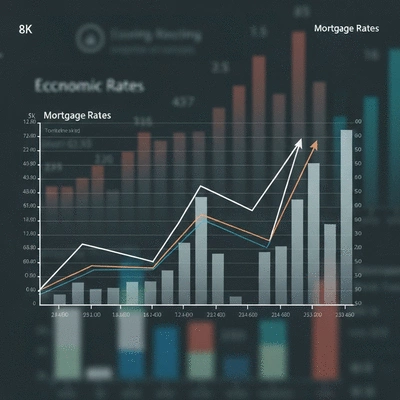
As we step into 2025, the mortgage landscape is evolving rapidly, and the surge in mortgage rates is a topic on many homebuyers' minds. Currently, the average rates for 30-year fixed mortgages hover around 7.5%, a significant increase from previous years. This uptick has substantial implications for those looking to purchase a home or refinance, as higher rates can mean larger monthly payments and increased total loan costs.
For many homebuyers, understanding these rates is crucial. For instance, a slight increase in the rate can result in a noticeable difference in mortgage payments over time. As someone dedicated to educating homeowners, I often emphasize how even a 0.5% increase can add thousands of dollars over the life of a loan. It’s essential to stay informed and assess how these current rates fit into your financial objectives.
Current Landscape of Mortgage Rates
- Average rate for 30-year fixed mortgages: 7.5%
- Average rate for 15-year fixed mortgages: 6.5%
- Current rates for adjustable-rate mortgages (ARMs): around 6.2%
The implications of these rates are significant. Many potential buyers are reconsidering their options. With home prices remaining high, the combination of elevated mortgage rates and property costs can create affordability challenges. At MBM Home Loans, we advise that understanding your financial capacity in this context is vital. For more details on adapting to these conditions, you might find our guide on mortgage scenarios for first-time buyers particularly helpful.
It’s also worth noting that the market isn’t static. Rate fluctuations can happen quickly, influenced by various economic factors. Therefore, it’s crucial for homebuyers to be prepared and informed about their borrowing options.
Historical Context: How We Got Here
To grasp the current mortgage rate surge, we must examine the historical trends that have shaped our present. Over the last few years, we've witnessed several significant rate spikes, often correlated with key economic events. For instance, after the COVID-19 pandemic, rates fell to historic lows, encouraging a surge in home purchasing. However, as the economy began to recover, inflation concerns emerged, prompting the Federal Reserve to take action.
In recent years, we've also seen the impact of geopolitical tensions and supply chain disruptions on the economy. These factors, combined with ongoing inflation, have led to the sharp increases in mortgage rates we see today. Recognizing these trends helps homebuyers understand that the current environment is part of a larger economic tapestry.

Pro Tip
To maximize your savings, consider locking in your mortgage rate when they are at a favorable level. Even a small dip in rates can lead to significant savings over the life of your loan. Don't hesitate to consult with a mortgage advisor to explore your options and find the best rate tailored to your financial situation.
Wrapping Up Insights on Rising Mortgage Rates
As we wrap up our exploration into the increasing mortgage rates of 2025, it's vital to recognize the key factors that contribute to this trend. Economic indicators such as inflation, Federal Reserve policies, and employment rates play a pivotal role in shaping the current landscape of mortgage borrowing. Understanding these elements can significantly impact your decision-making as a potential homebuyer.
Here’s a summary of the main factors influencing rising rates:
- Inflation pressures continue to affect mortgage rates, creating uncertainty in the market.
- The Federal Reserve's interest rate policies are crucial in setting the tone for borrowing costs.
- Employment statistics and GDP growth remain indicators of economic stability, directly influencing mortgage demand.
- A change in consumer confidence can shift the dynamics of the housing market, as more buyers enter or exit.
Recognizing these factors will not only clarify the current mortgage landscape but also prepare you for the challenges and opportunities ahead as you consider your home financing options. For further reading on this topic, you can learn more about understanding daily mortgage rate changes.
Frequently Asked Questions About Rising Mortgage Rates
What are the average 30-year fixed mortgage rates in 2025?
In 2025, the average rates for 30-year fixed mortgages are hovering around 7.5%.
How does a 0.5% increase in mortgage rates impact a loan?
Even a 0.5% increase in mortgage rates can add thousands of dollars to the total cost of a loan over its lifetime, significantly increasing monthly payments.
What economic factors influence current mortgage rates?
Key economic factors influencing mortgage rates include inflation pressures, Federal Reserve policies (such as interest rate adjustments), and employment statistics.
What are the implications of high mortgage rates for homebuyers?
High mortgage rates lead to higher monthly payments, increased total loan costs, and significant affordability challenges, especially when combined with high home prices.
What should homebuyers do to navigate rising mortgage rates?
Homebuyers should stay informed about market trends, understand their financial capacity, consider locking in favorable rates, and utilize resources like mortgage calculators and expert advice to make informed decisions.
Engaging with the Future of Mortgage Rates
Looking forward, staying informed and proactive is essential. With rates fluctuating, it's crucial to have the right tools and resources at your fingertips. At MBM Home Loans, we are dedicated to empowering you with the knowledge you need to navigate these changes confidently.
Here are some resources we recommend to assist you in your home-buying journey:
- Mortgage Calculator - Estimate your monthly payments based on current rates.
- First-Time Homebuyer Guide - A comprehensive guide to help you understand the buying process.
- Mortgage Education Articles - In-depth articles on various mortgage topics.
By utilizing these resources, you can make informed decisions and position yourself favorably in the evolving landscape of mortgage rates. Remember, knowledge is power, and at MBM Home Loans, we're here to provide you with the insights you need for your financial journey!
Recap of Key Points
Here is a quick recap of the important points discussed in the article:
- Current average mortgage rates for 30-year fixed mortgages are around 7.5%.
- Understanding the impact of even small rate increases is crucial for homebuyers.
- Economic factors such as inflation, Federal Reserve policies, and employment rates significantly influence mortgage rates.
- Homebuyers should remain informed and prepared for fluctuating rates and market conditions.
- Utilizing resources like mortgage calculators and homebuyer guides can empower informed financial decisions.
About Me

Welcome to MBM Home Loans
I'm Jordan H. Caldwell, a seasoned mortgage educator and financial writer passionate about empowering homeowners, renters, and homebuyers with knowledge about home loans and the housing market. I share comprehensive insights into mortgage terminology, interest rates, and borrower strategies to help you make informed financial decisions. My goal is to empower you with the knowledge you need to confidently navigate your financial journey.
Recent Posts

Understanding Mortgage Rate Trends
2026-08-29
Understanding Private Mortgage Insurance
2026-08-25