Current Mortgage Rate Trends
Rates around 6% in early 2026
Significant drop from previous highs
Improved affordability for homebuyers
Feb 05
In an era where financial choices can feel overwhelming, understanding the nuances of mortgage rates is essential for any prospective homebuyer. With recent drops in rates, the opportunity to secure your dream home is more accessible than ever. How do these shifts affect your purchasing power and financial planning? Let's explore the key insights!
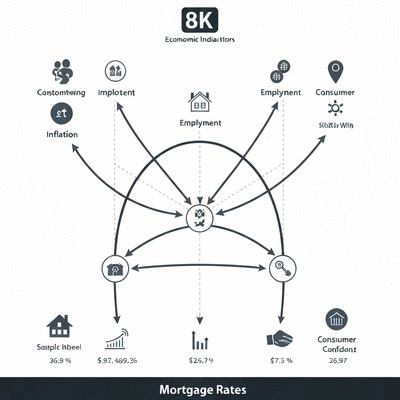
This visual outlines the current mortgage rates, the Federal Reserve's influence, and key economic indicators affecting home loan trends.
As we step into early 2026, many homebuyers are noticing a welcome shift in the mortgage landscape. Current mortgage rates have dropped to around 6%, making it an opportune time for many to consider buying a home. This recent decline is significant, especially when compared to the higher rates we saw just a year ago.
These changes in rates can have a profound impact on affordability for potential buyers. With lower rates, you might find that your monthly payments are more manageable, enabling you to purchase a home that better suits your needs without feeling financially strained. For a deeper dive into how rates have evolved over the years, check out our analysis of mortgage rate trends since 2000.
It’s essential to stay informed about these trends as they can fluctuate based on various economic factors. At MBM Home Loans, we’re dedicated to helping you navigate these changes and find the best deals available!
The Federal Reserve plays a pivotal role in shaping mortgage rates through its monetary policies. Recently, the Fed has engaged in substantial actions, including $200 billion in mortgage-backed securities (MBS) purchases. This strategy aims to stabilize the economy and maintain liquidity in the housing market.
When the Fed increases its purchases of MBS, it typically helps to lower mortgage rates, making home loans more accessible for buyers. The goal here is to encourage lending and foster economic recovery, which is something I see as vital for our communities.
By keeping an eye on the Fed's policies, you can make more informed decisions about when to secure your mortgage. Understanding these dynamics is crucial for any potential homebuyer!
Several economic indicators can significantly impact mortgage rates and overall housing market dynamics. Key factors include inflation rates, employment figures, and consumer confidence. When inflation rises, for instance, it can lead to higher interest rates as the Fed tries to control the economic landscape.
Moreover, employment rates give insights into the health of the economy. A strong job market usually results in increased demand for housing, which can drive up prices and, consequently, rates. For prospective homebuyers, understanding these indicators can help you time your purchase more effectively. For more details on how the Federal Reserve's actions impact the housing market, explore our article on understanding Fed policy and mortgages.
Staying informed about these economic indicators can empower you to make choices that align with your financial goals. At MBM Home Loans, we’re here to provide you with the insights you need to navigate these complexities!
What economic indicators do you think will have the most impact on mortgage rates in the coming months? Share your thoughts below:
A: As of early 2026, current mortgage rates are around 6%, representing a significant drop from previous highs.
A: The Federal Reserve influences mortgage rates by purchasing mortgage-backed securities (MBS), which helps to stabilize the market and lower rates, making home loans more accessible.
A: Key economic indicators include inflation rates, employment figures, and consumer confidence, all of which can significantly impact mortgage rate trends and overall housing market dynamics.
A: Lower mortgage rates lead to more manageable monthly payments, which improves affordability and allows homebuyers to purchase homes that better suit their needs without financial strain.
A: The best strategy involves staying informed about market trends and economic indicators, comparing mortgage rates from different lenders, considering pre-qualification, and consulting with a mortgage professional for personalized advice.
As we wrap up our exploration of recent mortgage rate drops, it's crucial to remember that understanding these changes can significantly impact your home buying journey. With current mortgage rates hovering around 6%, many potential homebuyers may find themselves in a favorable position. This rate drop not only enhances affordability but also opens doors to various financing options that were previously less accessible.
To make the most of this opportunity, it's essential to stay informed about market trends and economic indicators. By keeping an eye on factors like inflation and employment rates, you can better time your decisions. Moreover, understanding the nuances of different loan types, such as FHA and VA loans, can help you find the best fit for your financial situation.
Now is the time to take action! I encourage you to compare mortgage rates across different lenders. Utilizing online tools can simplify this process and provide you with a clearer picture of your options. Here’s a quick list of steps to follow as you navigate the mortgage landscape:
The mortgage landscape can shift quickly, and acting promptly can position you to secure the best possible deal. Remember, being well-informed and prepared is your best strategy for success in this market. So, let’s make those informed choices together and take the next steps toward homeownership!
Here is a quick recap of the important points discussed in the article:
I'm Jordan H. Caldwell, a seasoned mortgage educator and financial writer passionate about empowering homeowners, renters, and homebuyers with knowledge about home loans and the housing market. I share comprehensive insights into mortgage terminology, interest rates, and borrower strategies to help you make informed financial decisions. My goal is to empower you with the knowledge you need to confidently navigate your financial journey.