Common Fee Percentages
- Origination Fee: 0.5% - 1%
- Escrow Fees: 0.5% - 1%
These percentages are typically based on the loan or purchase amount.
Oct 02
As you embark on the path to homeownership, understanding mortgage closing costs is a vital step. These fees can catch many first-time buyers off guard, but being prepared can make all the difference. Here’s what you need to know to navigate this crucial part of the home-buying process.
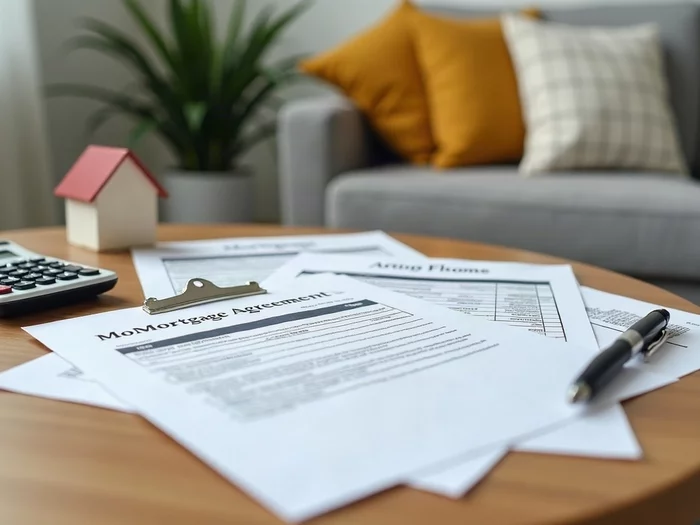
Understanding the financial aspects of mortgage closing costs is crucial for effective homeownership planning. The visual below highlights typical cost ranges and fee breakdowns, offering a clear overview for prospective buyers. For a broader perspective on the home-buying journey, you may also find our guide to understanding the mortgage process helpful.
Expect to pay 2% to 5% of your loan or purchase price.
This range can vary by location, loan type, property, and negotiation.
These percentages are typically based on the loan or purchase amount.
Buyers typically pay:
Sellers may pay:
Negotiation is key to impacting who covers which costs.
When embarking on the journey to homeownership, one crucial aspect to grasp is mortgage closing costs. These costs represent the fees and expenses incurred during the finalization of a real estate transaction. Understanding these costs is essential because they can significantly impact your overall budget and financial planning. By being informed, you can avoid surprises and make strategic decisions that align with your financial goals.
Closing costs typically encompass a variety of fees that are paid at the closing of a real estate transaction. They include costs for services such as appraisals, title searches, and loan processing. Being aware of these fees beforehand can help you prepare and ensure a smoother closing process!
At their core, mortgage closing costs are the fees associated with completing a real estate transaction. These costs generally arise from various services needed to finalize the loan and transfer property ownership. It's important to note that these costs are usually due at the closing of the home purchase, which is the final step in the home-buying process.
Understanding mortgage closing costs is vital, as they can range significantly and can catch first-time homebuyers off guard. By knowing what to expect, you can adequately budget and plan for these necessary expenses, which can save you from feeling overwhelmed.
As a general rule of thumb, expect to pay anywhere from 2% to 5% of your loan or purchase price in closing costs. This range can vary widely based on several factors, including the location of the property, the type of loan you are using, and specific negotiations made during the process.
By being aware of these elements, you can better anticipate your closing costs, allowing you to approach the closing table with confidence. Remember, it's always wise to ask your lender for a breakdown of estimated closing costs as you begin the home-buying process! For more detailed insights into managing your finances, exploring understanding your home-buying budget can provide valuable guidance.
Let's dive into the common fees that typically make up your closing costs. Understanding each of these fees can help demystify the closing process:
These fees can often total thousands of dollars, so understanding them is essential for your financial planning. Each fee serves a specific purpose, and being aware of what each one covers will empower you as a buyer!
Now, let’s break down what each of these fees typically covers and their average ranges:
Understanding these categories will help you prepare better for what to expect financially. By grasping these details, you can actively participate in discussions with your lender and navigate the closing process effectively.
Escrow fees are another essential component of closing costs. These fees cover the services of an escrow company, which holds funds and documents until the closing process is complete. The escrow agent ensures all conditions are met before transferring ownership of the property.
It’s important to note that the escrow fee can vary based on your location and the size of the transaction. Typically, these fees range from 0.5% to 1% of the purchase price. Knowing about escrow fees will help you understand where your money is going during the closing process!
Insurance fees play a significant role in closing costs. Title insurance protects the buyer and lender from potential disputes over property ownership, while homeowner's insurance safeguards the property against damages and liability. These insurance policies are vital in ensuring that you are financially protected as a homeowner.
While title insurance is often a one-time fee, homeowner's insurance is typically paid annually. However, both are essential for a smooth transaction and peace of mind!
Understanding the division of responsibilities regarding closing costs is crucial for both buyers and sellers. In many cases, buyers are responsible for most of the closing costs, but sellers sometimes contribute. Here’s a quick overview of common responsibilities:
Clarifying these responsibilities ahead of time can prevent misunderstandings and ensure a smoother transaction. As you prepare for closing, make sure to discuss these details with your realtor and lender! If you're a first-time buyer looking for more specific guidance, our article on mortgage scenarios for first-time buyers offers additional valuable information.
To potentially reduce your mortgage closing costs, consider shopping around for different lenders. Each lender may offer varying rates and fees, and a little research can lead to significant savings. Additionally, don't hesitate to negotiate certain fees with your lender or ask about any available discounts!
Here are some common questions to help clarify mortgage closing costs:
Understanding mortgage closing costs is crucial in your journey to homeownership. These costs can significantly impact your financial plan, so it’s vital to be well-informed. As you navigate through the home-buying process, having a solid grasp of what these costs entail will help you budget effectively and avoid any unexpected surprises.
Here are some key takeaways to remember about mortgage closing costs:
By keeping these points in mind, you can confidently approach your mortgage closing and ensure you are financially prepared for this pivotal step in your home-buying journey. For more insights on financial preparation, consider reading about understanding credit scores for mortgages.
At MBM Home Loans, we believe in empowering you with the knowledge needed to make informed choices. I encourage you to engage with your lenders and apply the strategies discussed in this article to help reduce your closing costs. Have questions or experiences to share? Don’t hesitate to drop a comment below! Your insights could help fellow homebuyers on their journey too. Let's keep the conversation going!
Here is a quick recap of the important points discussed in the article:
I'm Jordan H. Caldwell, a seasoned mortgage educator and financial writer passionate about empowering homeowners, renters, and homebuyers with knowledge about home loans and the housing market. I share comprehensive insights into mortgage terminology, interest rates, and borrower strategies to help you make informed financial decisions. My goal is to empower you with the knowledge you need to confidently navigate your financial journey.