Jun 21
Inflation's Impact on Mortgage Rates
Staying ahead of economic trends can be the key to making smart financial decisions in a fluctuating market. Understanding inflation's role in mortgage rates allows you to navigate your home financing journey with confidence. Here’s what you need to know!
What You Will Learn
- Inflation directly influences mortgage rates, with higher inflation often leading to increased borrowing costs.
- Being aware of inflation trends can help you anticipate fluctuations in mortgage rates.
- Timing is crucial; locking in a mortgage rate during stable or low inflation can save you money in the long run.
- Understanding the differences between demand-pull and cost-push inflation can empower your decision-making.
Understanding Inflation's Impact: How it Affects Mortgage Rates
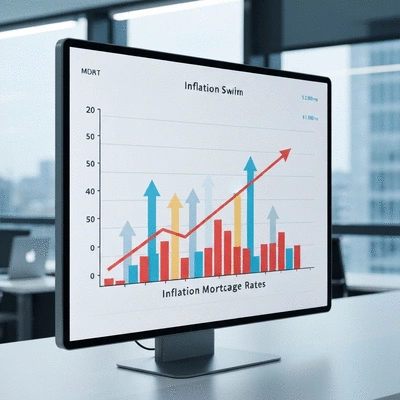
Inflation directly influences mortgage rates. The following visual breaks down how key economic indicators, types of inflation, and market expectations collectively drive borrowing costs, guiding your home financing decisions. For a deeper dive into how broader economic forces shape the landscape, explore understanding Fed policy and mortgages.
How Inflation is MeasuredKey Economic Indicators
- • CPI: Most used measure
- • PPI: Predicts consumer inflation
- • PCE: Fed's preferred measure
Types of InflationDemand-Pull vs. Cost-Push
- • Demand-Pull: Demand > Supply
- • Cost-Push: Production costs rise
Both lead to higher borrowing costs.
Core ImpactInflation & Mortgage Rates
- ▶ Higher inflation = increased rates
- ▶ Lenders protect profit margins
- ▶ Anticipation drives rate hikes
Borrower ActionNext Steps & Strategy
- ▶ Stay informed on CPI trends
- ▶ Consult mortgage experts
- ▶ Lock in rates if favorable
Understanding Inflation and Its Role in Mortgage Rates
Inflation is an important concept that impacts various aspects of the economy, particularly mortgage rates. At MBM Home Loans, we believe understanding inflation is crucial for anyone looking to navigate the home financing landscape. So, what exactly is inflation, and how does it affect your borrowing costs? Let's break it down!
Essentially, inflation refers to the general increase in prices of goods and services over time, which erodes purchasing power. It’s measured by various indices, with the Consumer Price Index (CPI) being one of the most well-known. Keeping an eye on inflation can not only help you make smarter financial decisions but can also inform your timing when entering the housing market.

What is Inflation and How is it Measured?
Inflation can be a tricky topic to wrap your head around! At its core, it’s the rate at which the general level of prices for goods and services rises, leading to a decrease in purchasing power. Economists commonly measure inflation using indices like the CPI, which tracks the price changes of a basket of goods and services over time.
- Consumer Price Index (CPI): The most widely used measure of inflation.
- Producer Price Index (PPI): Measures wholesale prices and can be a predictor of consumer inflation.
- Personal Consumption Expenditures (PCE): Another measure favored by the Federal Reserve.
By understanding these measurements, you can better grasp how inflation influences the overall economy, including mortgage interest rates! For a more comprehensive look at how these rates have evolved, check out mortgage rate trends since 2000.
Key Terms in Inflation and Mortgage Rates
When discussing inflation and mortgage rates, there are a few key terms that can help clarify the conversation. Here are some terms you should know:
- Nominal Interest Rate: The interest rate before adjustments for inflation.
- Real Interest Rate: The nominal rate adjusted for inflation, indicating the true cost of borrowing.
- Inflation Expectations: The anticipated rate of inflation in the future.
Understanding these terms will empower you to better analyze your mortgage options and make informed decisions about your financial future.
The Role of the Consumer Price Index (CPI) in Measuring Inflation
The Consumer Price Index (CPI) plays a significant role in shaping economic policy and influences your mortgage rates. It serves as a primary gauge of inflation by tracking price changes in a set basket of goods and services, which can include everything from groceries to housing costs.
When the CPI rises, it signals increased inflation, prompting the Federal Reserve to consider adjusting interest rates. A higher CPI often leads to higher mortgage rates as lenders factor in these changes to ensure they remain profitable.
- The CPI is published monthly, making it a key indicator for market watchers.
- Sudden spikes in CPI can lead to quick responses from the Federal Reserve.
- As a homebuyer or homeowner, staying updated on CPI trends can help you time your mortgage decisions effectively.
By keeping an eye on CPI trends, you can gauge when it might be the right time to secure a mortgage or refinance an existing one. This proactive approach can ultimately save you money in the long run!
The Link Between Inflation and Mortgage Rate Fluctuations
Inflation significantly influences mortgage rates, and understanding this connection can greatly benefit your home financing decisions. It's essential to recognize how rising prices can translate into higher borrowing costs, impacting your overall budget. Let’s delve deeper into how inflation affects your mortgage rates.
When inflation rises, lenders often increase interest rates to maintain their profit margins in the face of diminishing purchasing power. As a result, securing a mortgage during periods of high inflation can lead to higher monthly payments. So, what can you do about it? Let’s explore the details!
How Inflation Influences Borrowing Costs
Inflation doesn't just impact prices; it also shapes the cost of borrowing. When inflation rises, so do mortgage rates, which can significantly affect your monthly payments. Here are a few ways inflation influences borrowing costs:
- Higher inflation leads to increased interest rates, making mortgages more expensive.
- Lenders adjust rates to protect profit margins as purchasing power declines.
- Anticipation of future inflation can lead to preemptive rate hikes from lenders.
By understanding these influences, you can make more informed decisions about when to buy or refinance your home loan.
Understanding Demand-Pull vs Cost-Push Inflation and Their Impact on Rates
Inflation can be categorized into two main types: demand-pull and cost-push inflation. Each type has distinct effects on mortgage rates, and understanding the difference is critical. Let’s break it down:
- Demand-Pull Inflation: Occurs when demand for goods and services exceeds supply, often leading to general price increases.
- Cost-Push Inflation: Happens when production costs increase, causing suppliers to raise prices to maintain profit margins.
Both types of inflation can lead to higher borrowing costs. For instance, if demand-pull inflation is driving prices up, lenders may quickly raise mortgage rates in anticipation of continued growth in demand. This means that being aware of economic trends can help you better navigate your financing options!
The Mechanism: Inflation Expectations to Mortgage Rate Changes
The relationship between inflation expectations and mortgage rates is a vital concept for borrowers. As inflation expectations rise, lenders may increase rates to hedge against future inflation. This anticipatory behavior can lead to rapid fluctuations in mortgage rates.
Understanding this mechanism can help you measure when is the best time to secure your mortgage. If you can predict increasing inflation expectations, you might choose to lock in a rate sooner rather than later.
- Monitor economic indicators to gauge inflation expectations.
- Stay informed about Federal Reserve announcements that may influence rates.
- Consult with mortgage professionals to strategize your loan timing.
By staying ahead of these changes, you can make better choices that align with your financial goals.
Interactive Poll: Your Thoughts on Inflation
As we navigate the complexities of inflation and its impact on mortgage rates, we want to hear from you! How do you feel about the current inflation trends affecting your home financing decisions?
Summarizing the Impact of Inflation on Mortgage Rates
As we wrap up our discussion on inflation and its effect on mortgage rates, it's essential to pinpoint the key takeaways. Understanding how inflation interplays with borrowing costs can empower you as a borrower, helping you make informed decisions during your home-buying journey. Let's explore some critical insights!
- Inflation directly affects mortgage rates: Higher inflation typically leads to increased borrowing costs as lenders adjust rates to maintain profitability.
- Anticipate fluctuations: Be prepared for your mortgage rates to fluctuate based on inflation trends and economic indicators.
- Understand timing: Knowing when to lock in a rate can save you money in the long run, especially if inflation is on the rise.
Keeping these points in mind can help you navigate the complexities of today's mortgage landscape, especially as inflationary pressures continue to shape the market. Now, let's discuss the next steps you should consider as a homebuyer or borrower. For those looking to understand the fundamental decisions involved, explore choosing the right mortgage type.
Frequently Asked Questions About Inflation and Mortgage Rates
- Q: How does inflation directly affect mortgage rates?
- A: Higher inflation typically leads to increased mortgage rates because lenders raise interest rates to protect their profit margins from the eroding purchasing power of money.
- Q: What are the key economic indicators used to measure inflation?
- A: The main indicators include the Consumer Price Index (CPI), which is the most widely used; the Producer Price Index (PPI), which predicts consumer inflation; and the Personal Consumption Expenditures (PCE) price index, preferred by the Federal Reserve.
- Q: What is the difference between demand-pull and cost-push inflation?
- A: Demand-pull inflation occurs when strong consumer demand outstrips supply, driving prices up. Cost-push inflation happens when the cost of producing goods and services increases, leading suppliers to raise prices.
- Q: Why is it important for homebuyers to understand inflation expectations?
- A: Understanding inflation expectations helps homebuyers anticipate future mortgage rate movements. If inflation is expected to rise, lenders may preemptively increase rates, making it beneficial to lock in a rate sooner.
- Q: What steps can borrowers take in an inflationary market?
- A: Borrowers should stay informed about inflation reports, consult with mortgage experts, and consider locking in a favorable mortgage rate to protect against potential future increases.
Next Steps for Homebuyers and Borrowers in an Inflationary Market
If you're looking to purchase a home in this inflationary environment, there are several steps you can take to ensure you're making the best decisions possible. At MBM Home Loans, we recommend that you:
- Stay informed: Keep an eye on the latest inflation reports and economic forecasts to gauge how they might impact mortgage rates.
- Consult with a mortgage expert: A knowledgeable advisor can provide insight into your options and help you choose the right mortgage type for your situation.
- Consider locking in rates: If rates seem favorable, locking in a mortgage rate can protect you from future increases.
These steps will help you feel more prepared and confident as you approach your home-buying journey, ensuring that you make the most out of your investment in a fluctuating market.
Assessing Housing Affordability Amid Inflationary Pressures
As inflation rises, it's crucial to assess how it affects your housing affordability. High inflation can lead to increased mortgage rates, which might impact your budget for monthly payments. Here are some factors to consider when evaluating your affordability:
- Evaluate your budget: Revisit your overall financial plan to determine how inflation impacts your disposable income and housing costs.
- Explore loan options: Different mortgage types (like fixed or adjustable rates) can offer varying levels of affordability based on current market conditions.
- Factor in additional costs: Don't forget to account for property taxes, insurance, and maintenance when calculating your total housing expenses.
By understanding these elements, you can better assess your financial readiness to purchase a home, even in an inflationary environment. Remember, knowledge is power, and being proactive can help you navigate this complex landscape more effectively!
Recap of Key Points
Here is a quick recap of the important points discussed in the article:
- Inflation impacts mortgage rates: Higher inflation typically leads to increased borrowing costs as lenders adjust rates to maintain profitability.
- Monitor economic indicators: Staying informed about CPI and other inflation measures can help you make timely mortgage decisions.
- Understand interest rates: Knowing the difference between nominal and real interest rates is crucial for evaluating mortgage options.
- Anticipate fluctuations: Be prepared for mortgage rates to fluctuate based on inflation trends and economic indicators.
- Timing is key: Locking in a mortgage rate during favorable conditions can save you money in the long run, especially in an inflationary environment.
About Me

Welcome to MBM Home Loans
I'm Jordan H. Caldwell, a seasoned mortgage educator and financial writer passionate about empowering homeowners, renters, and homebuyers with knowledge about home loans and the housing market. I share comprehensive insights into mortgage terminology, interest rates, and borrower strategies to help you make informed financial decisions. My goal is to empower you with the knowledge you need to confidently navigate your financial journey.
Recent Posts

Understanding Mortgage Rate Trends
2026-08-29
Understanding Private Mortgage Insurance
2026-08-25